

Women’s health is built on five interconnected habits: anti-inflammatory nutrition, consistent exercise, quality sleep and stress management, regular health screenings, and continuity of care with a trusted gynaecologist. Ignoring one area creates problems in the others. These evidence-based holistic health tips are the baseline every woman deserves.
Women’s health problems happen gradually. Those skipped appointments, sleepless nights, and years of putting everyone else’s needs first? They deteriorate your health over time.
Holistic health is the recognition that physical, hormonal, emotional, and preventive care are all part of the same system. Apply these five holistic health tips consistently to shift your baseline.
1. Eat to Reduce Inflammation, Not Just Calories
Calorie counting misses the point. The more clinically relevant question is whether your diet is driving chronic low-grade inflammation — because that’s the mechanism behind PCOS, endometriosis, insulin resistance, and a range of cardiovascular conditions that disproportionately affect women.
Foods to Eat for an Anti-Inflammatory Diet
Anti-inflammatory eating isn’t complicated. The foods below reduce oxidative stress, support gut health, and help regulate hormonal function:
- Vegetables and legumes — leafy greens, broccoli, lentils, and chickpeas provide fibre and antioxidants that directly counter inflammation
- Omega-3 rich foods — salmon, sardines, chia seeds, and walnuts several times a week to support hormonal regulation and reduce inflammatory markers
- Whole grains — oats, brown rice, and quinoa over refined carbohydrates to stabilise blood sugar and reduce insulin spikes
- Colourful fruits — berries, papaya, and citrus are high in polyphenols and vitamin C, both linked to lower inflammatory load
- Healthy fats — extra virgin olive oil and avocado in place of saturated and trans fats
Less ultra-processed food, refined sugar, and alcohol. The Malaysian Dietary Guidelines frame this as variety, moderation, and balance. That’s still the right framework.
One thing most people underestimate: alcohol affects oestrogen metabolism through the liver. Even moderate, regular drinking can quietly disrupt hormonal patterns over time. Worth knowing, even if you don’t plan to stop.
2. Move Consistently, and Vary It
The World Health Organization recommends 150 minutes of moderate-intensity aerobic activity weekly for adults. That’s 22 minutes a day — achievable for most, and far more effective than sporadic intense sessions with long gaps in between.
For women specifically, regular exercise supports menstrual regularity, improves mood through endorphin release, and helps maintain bone density, which begins declining in the mid-30s.
What a Balanced Weekly Routine Looks Like
- Brisk walking or swimming — low-impact, accessible, and effective as a daily base
- Resistance or strength training — twice a week to maintain muscle mass and bone density
- Stretching or yoga — supports flexibility and helps regulate the physical stress response
Consistency matters more than intensity. If you’re managing PCOS or a thyroid condition, discuss your training load with your doctor before increasing it — some conditions respond differently to exercise stress.
3. Take Sleep & Stress Seriously
Poor sleep raises cortisol. Elevated cortisol suppresses reproductive hormones. Over time, that disrupts menstrual cycles, contributes to weight gain, worsens insulin sensitivity, and drives the kind of fatigue no amount of caffeine addresses. Women are significantly more likely than men to experience insomnia — particularly around menstruation, pregnancy, and menopause. Ensure you get 7-9 hours of sleep for optimum health.
Practical Sleep Habits That Actually Help
- Keep a consistent sleep and wake time — including weekends
- Limit screen exposure in the hour before bed
- Keep the room cool, dark, and quiet
- Cut caffeine after 2pm
4. Attend Regular Health Screenings
Cervical cancer, breast cancer, hypertension, and type 2 diabetes share one thing: they’re far easier to manage when caught early. Routine screening is how that happens. It’s not about health anxiety — it’s about having information while options are still wide open.
Key Screenings for Women in Malaysia
- Pap smear — recommended from age 21, or within three years of first sexual activity
- HPV testing — discuss timing with your doctor based on vaccination history
- Breast examination — clinical breast exam annually; mammography from age 40 or earlier if family history warrants it
- Blood panels — cholesterol and fasting glucose to catch metabolic risk factors early
Women eligible for PeKa B40 can access subsidised screenings at participating clinics. For those using private services, a thorough obstetrics physical examination identifies risk factors years before symptoms develop.
A standard visit covers your menstrual and reproductive history, a pelvic examination, and relevant swabs or imaging based on your age and concerns. At a women’s clinic, it’s also a chance to raise anything you’ve been putting off — changes in discharge, pain patterns, libido, or mood. None of it is too small to mention.
5. Find a Gynaecologist You’ll Actually Keep Seeing
A single appointment with a specialist you’ve never met is better than none. But it’s not as useful as a doctor who knows your baseline — your typical cycle, your hormonal patterns, how your health has shifted over time. Continuity makes it easier to spot what warrants investigation precisely because the comparison point exists.
Gynaecology in Kuala Lumpur has grown significantly in quality and accessibility. Private specialist clinics offer shorter waiting times and more personalised appointments than public facilities — and for women managing ongoing conditions or planning a pregnancy, that time and attention matters.
Signs You Shouldn’t Wait to Book
- Irregular, painful, or unusually heavy periods
- Unexplained pelvic pain or persistent bloating
- Changes in vaginal discharge
- Difficulty conceiving after 12 months of trying (or 6 months if you’re over 35)
- Menopausal symptoms affecting daily quality of life
Holistic health tips only work if the professional support is there to catch what lifestyle changes alone won’t fix. Don’t wait for symptoms to feel serious enough. Your health deserves personalised attention from a team that listens. At SpringHill Clinic, our specialists provide evidence-based care across every stage of your reproductive health journey in a private, non-judgemental environment. Book an appointment today.
DISCLAIMER: The information in this article is intended for educational purposes only. It does not constitute medical advice and should not be used as a substitute for professional diagnosis, treatment, or consultation with a qualified healthcare provider. If you have concerns about your health, please speak with a registered medical practitioner.
References:
Malaysian Dietary Guidelines 2020. (2020). Ministry of Health Malaysia, Nutrition Division. Retrieved March 2026, from https://hq.moh.gov.my/nutrition/wp-content/uploads/2024/03/latest-01.Buku-MDG-2020_12Mac2024.pdf
Physical Activity. (2024, June 26). World Health Organization. Retrieved March 2026, from https://www.who.int/news-room/fact-sheets/detail/physical-activity
National Health and Morbidity Survey (NHMS) 2023. (2024). Institute for Public Health (IKU), Ministry of Health Malaysia. Retrieved March 2026, from https://iku.gov.my/nhms-2023
Frequently Asked Questions About Holistic Health Tips for Women
What does holistic health mean for women?
It means treating all dimensions of wellbeing as connected — physical, hormonal, nutritional, emotional, and preventive. A problem in one area typically shows up in another. Addressing them together is what makes care genuinely effective.
What should women eat for an anti-inflammatory diet?
Focus on vegetables, legumes, omega-3 rich foods (salmon, sardines, chia seeds, walnuts), whole grains, colourful fruits, and healthy fats like olive oil and avocado. Reduce ultra-processed foods, refined sugar, and alcohol. The Malaysian Dietary Guidelines recommend variety, moderation, and balance as the core framework.
How often should women see a gynaecologist in Malaysia?
For most women, an annual gynaecological check-up is appropriate. The frequency may increase based on personal health history, family risk factors, fertility planning, or approaching perimenopause. A specialist at an obstetrics and gynaecology clinic can advise on the right schedule for you.
When should I seek specialist care rather than managing health at home?
Book an appointment if you experience irregular or painful periods, unexplained pelvic pain, persistent bloating, changes in discharge, difficulty conceiving, or menopausal symptoms affecting daily life. Lifestyle habits support health — but they don’t replace clinical assessment.
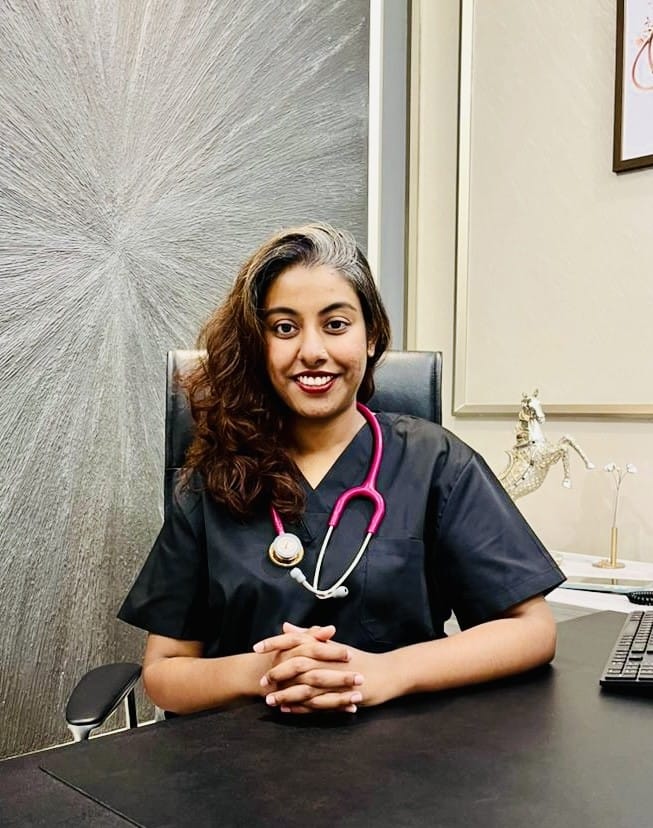
Dr Jasorthini is an experienced obstetrics & gynecology medical officer dedicated to delivering patient‑centred, evidence‑based care to women at every life stage. She brings a unique combination of clinical expertise and empathy, focused on helping every patient intently.