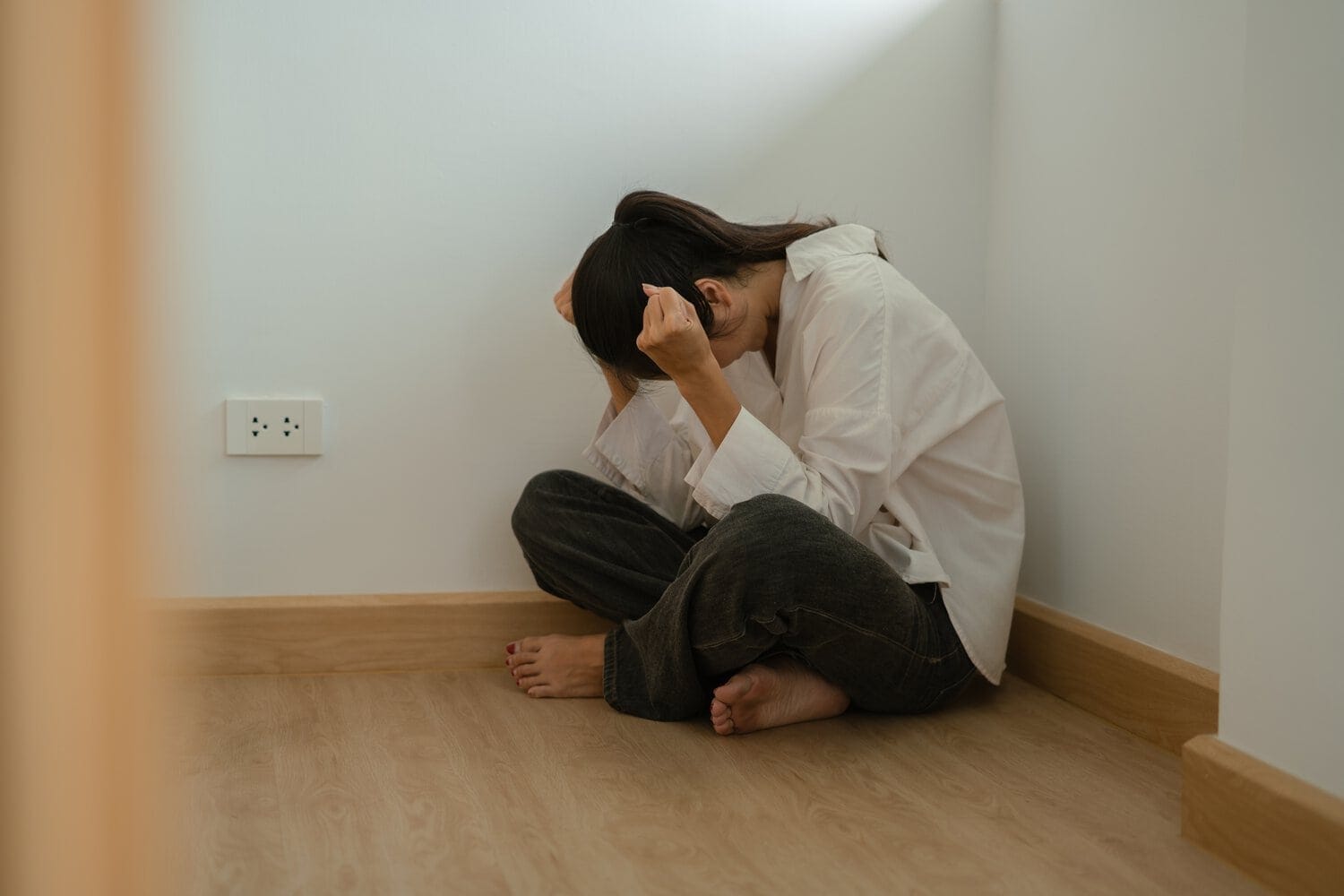
Feeling low, anxious, or just not yourself is something many women brush off as being tired or stressed. But for a lot of women, those mood changes have more to do with hormones than anything else. The connection between depression and hormones is something doctors and researchers have studied for years, and the evidence is clear. Understanding it can help you make sense of what you are feeling and know when to get proper support.
The Connection Between Hormones and Mood
Hormones are chemicals the body makes to send messages between different organs and systems. They affect everything from your energy and sleep to your appetite and mood. Several hormones directly influence the brain chemicals that control how you feel, especially serotonin, which is often called the feel-good chemical. When hormone levels go up or down, your mood can follow.
Research published in Frontiers in Neuroendocrinology found that women are twice as likely as men to develop depression and anxiety, and that hormonal changes are one of the main biological reasons for this. This is not about being overly emotional or unable to cope. It is a real, physical response to changes happening inside the body.
Which Hormones Affect Depression and Anxiety
Several hormones play a role in how you feel day to day. Here are the main ones and what they do to the mood.
Oestrogen
Oestrogen helps the brain produce serotonin, the chemical that keeps your mood stable and helps you feel well. When oestrogen drops, such as in the days before your period, just after giving birth, or during menopause, serotonin can drop too. This is why many women feel more anxious or flat at those specific times in their lives.
Progesterone
Progesterone has a naturally calming effect. It rises in the second half of your menstrual cycle, then drops sharply just before your period. For some women, this drop is what drives PMS symptoms like irritability and low mood. In more severe cases it can lead to premenstrual dysphoric disorder, a condition where mood changes before a period are significant enough to disrupt daily life.
Cortisol
Cortisol is the hormone your body releases when you are stressed. A little cortisol is normal and helpful. But when stress goes on for a long time, cortisol stays high and starts to interfere with other hormones, including oestrogen and progesterone. This is why ongoing stress can worsen mood problems, and why getting enough sleep and managing stress matter so much for hormonal health.
Thyroid Hormones
The thyroid is a small gland in the neck that regulates your metabolism and energy levels. When it is not working well, it can cause symptoms that look a lot like depression: feeling flat, tired all the time, gaining weight without reason, and struggling to concentrate. Thyroid problems are much more common in women than in men, and they are often missed when doctors focus only on mood. This is one reason why a blood test matters when you are trying to understand persistent low mood.
Hormonal Changes Across a Woman’s Life
Hormone levels do not stay the same throughout a woman’s life. They shift at several key points, and at each of those points, there is a higher chance of mood being affected.
Menstrual Cycle
Many women notice that how they feel changes at different points in the month. The week before a period, when both oestrogen and progesterone are falling, is when low mood, irritability, and anxiety tend to be worst. For most women, it is manageable. For some, it is genuinely disruptive to work, relationships, and daily life.
Pregnancy
Pregnancy is often thought of as a happy time, and for many women it is. But hormonal changes during pregnancy can also trigger anxiety and depression, particularly in women who have a history of mood problems. Depression during pregnancy is often missed because people assume a pregnant woman should be feeling positive. It is more common than many realise and it is treatable.
Postpartum Period
After giving birth, oestrogen and progesterone levels fall suddenly and steeply. This sharp hormonal drop is one of the main triggers for postpartum depression. Symptoms include feeling persistently sad, having difficulty bonding with the baby, extreme tiredness, and losing interest in things that used to matter. Postpartum depression is not a personal failing. It has clear biological causes and responds well to the right support. An obstetrics physical examination after birth is a good opportunity to bring up any mood changes you have been experiencing. Many women do not mention it, but it matters and your doctor wants to know.
Perimenopause and Menopause
In the years leading up to menopause, oestrogen levels become unpredictable before eventually declining. This transition can last several years and brings a higher risk of depression and anxiety for some women. Women who have experienced hormone-related mood changes earlier in life tend to be more affected during this stage.
Can Breastfeeding Hormones Cause Depression?
This is something many new mothers wonder about but do not always feel comfortable asking. The relationship between breastfeeding and mood is not straightforward.
When you breastfeed, the body releases two hormones called oxytocin and prolactin. Both have a calming, mood-steadying effect. Research in Depression Research and Treatment found that breastfeeding may actually help protect against postpartum depression for many women because of these hormonal effects.
However, whether breastfeeding hormones can cause depression depends on the full picture. Women who have a painful or difficult breastfeeding experience, feel unsupported, or stop earlier than they planned can be at greater risk of low mood. The hormones involved in breastfeeding do not directly cause depression, but the stress and sleep deprivation around that period can. If you are struggling with your mood while breastfeeding, that is worth talking to a healthcare provider about.
Getting the Right Support
A lot of women never get assessed for mood symptoms related to hormonal changes simply because they assume it is normal. But these feelings are real and they can be helped. Taking a depression and anxiety test in Malaysia is a good starting point. The Malaysian Ministry of Health offers free validated screening tools through the MENTARI programme, including the Depression Anxiety Stress Scale and the Patient Health Questionnaire. These are useful first steps, but a healthcare provider should always review your results. Knowing whether hormones can affect depression in your case matters too, which is why a hormonal blood test alongside a mental health screen often gives a much clearer picture of what is going on.
If low mood or anxiety has been with you for more than two weeks, it is worth looking into properly. At SpringHill Clinic, our health screening packages combine hormonal testing with a thorough full-body check-up in Kuala Lumpur to give you a complete picture of your wellbeing. Take the first step and book your appointment today.
DISCLAIMER: The information in this article is intended for educational purposes only. It does not constitute medical advice and should not be used as a substitute for professional diagnosis, treatment, or consultation with a qualified healthcare provider. If you have concerns about your hormonal health, please speak with a registered medical practitioner.
References:
- Sex Hormone Fluctuation and Increased Female Risk for Depression and Anxiety Disorders. Retrieved on 8 April 2026, from https://pmc.ncbi.nlm.nih.gov/articles/PMC9715398/
- Breastfeeding and Postpartum Depression: An Overview and Methodological Recommendations for Future Research. Retrieved on 8 April 2026, from https://pmc.ncbi.nlm.nih.gov/articles/PMC4842365/
- MENTARI Self-Test: Depression, Anxiety and Stress Scale. Retrieved on 8 April 2026, from https://mentari.moh.gov.my/self-test/
Frequently Asked Questions About Depression and Hormones
Can hormones affect depression in women?
Yes. Hormones like oestrogen, progesterone, cortisol, and thyroid hormones directly affect brain chemicals that control mood. When these hormones shift, such as before your period, after giving birth, or during menopause, it can trigger low mood or anxiety. It is a physical response, not a personal weakness.
Can breastfeeding hormones cause depression?
Not directly. Breastfeeding releases oxytocin and prolactin, which actually help stabilise mood. However, if breastfeeding is difficult, painful, or unsupported, the stress involved can contribute to low mood. If you are feeling down while breastfeeding, speak to a healthcare provider.
Can a teenager experience hormone-related depression?
Yes. Puberty brings significant hormonal changes, and some teenagers are more sensitive to these shifts. Low mood, anxiety, and irritability that follow a pattern around the menstrual cycle may have a hormonal component and are worth discussing with a doctor.
How do I know if my depression is hormone-related?
Look at the timing. If your mood drops at the same point every month, or if it started around a hormonal event like giving birth, stopping contraception, or entering perimenopause, there may be a connection. A simple blood test can check whether your hormone levels are playing a role.
Can a health screening help with mood concerns?
Yes. If your low mood may be linked to hormones, a health screening that includes a hormonal blood test can reveal what is going on beneath the surface. Sometimes the cause is physical, and a blood test is the clearest way to find out.

Dr Suganthee is our in-house obstetrics & gynecology registrar serving as the founder and medical director of Springhill Clinic. She graduated with a Degree in Bachelor of Medicine, Bachelor of Surgery from Manipal University in India.