Tried and True Remedies for Painful Periods
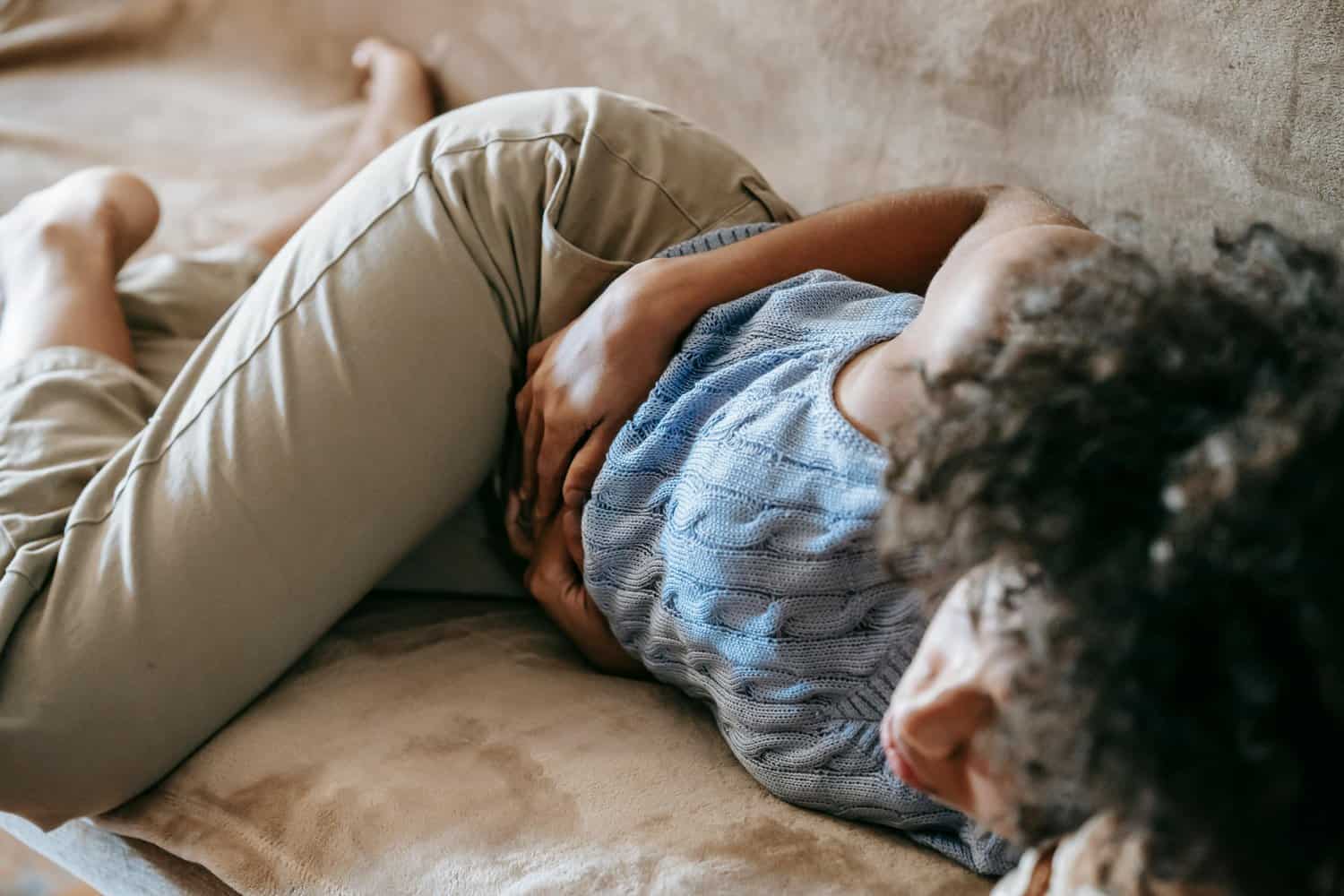
For many women, menstruation brings more than just bleeding. It brings cramping, discomfort, and sometimes debilitating pain that disrupts daily life.
A systematic review of over 21,000 young women across 38 countries found that approximately 71% experience painful periods, with many reporting that the pain affects their concentration at school or work.
The good news? You don’t have to simply endure it. There are several evidence-based remedies that can help manage menstrual cramps. This article explores the remedies that research supports and explains why period pain happens in the first place.
The Science Behind Menstrual Cramps
Understanding what causes period pain can help you address it more effectively. The cramping sensation you feel during menstruation isn’t random — it has a clear biological basis.
Prostaglandins and Uterine Contractions
Your uterus contracts during menstruation to help shed its lining. These contractions are triggered by hormone-like substances called prostaglandins.
When prostaglandin levels are elevated:
- The uterine muscles contract more intensely
- Blood flow to the uterus is temporarily reduced
- The muscle tissue is deprived of oxygen
- Cramping pain results, typically peaking within the first 24 to 48 hours
Women who experience more severe cramps tend to have higher levels of prostaglandins in their menstrual fluid.
Primary Versus Secondary Dysmenorrhoea
Medical professionals distinguish between two types of period pain:
- Primary dysmenorrhoea: Common menstrual cramps without an underlying condition. It usually begins within a few years of your first period and often improves with age or after childbirth.
- Secondary dysmenorrhoea: Caused by conditions affecting the reproductive organs, such as endometriosis, fibroids, or pelvic inflammatory disease. This type often worsens over time and may occur outside of menstruation.
If your period pain has changed significantly or become progressively more severe, it’s worth consulting a specialist at an obstetrics & gynaecology clinic for evaluation.
Evidence-Based Home Remedies for Painful Periods
Not every remedy you read about online has solid evidence behind it. The following approaches, however, have been studied and shown to provide genuine relief for many women.
Heat Therapy
Applying heat to your lower abdomen is one of the most effective and accessible ways to ease menstrual cramps. Research has found that heat therapy can be as effective as over-the-counter pain medication, with fewer side effects.
How heat helps:
- Relaxes the contracting muscles of the uterus
- Improves blood flow to the area
- Provides relief within 15 to 20 minutes for most women
You can use a hot water bottle, a heating pad, or a warm bath. Aim for a comfortable temperature that soothes without burning.
Regular Physical Activity
Exercise might be the last thing you feel like doing when you’re cramping, but it can genuinely help. Physical activity releases endorphins, your body’s natural painkillers.
Effective gentle activities include:
- Walking
- Swimming
- Yoga
- Light stretching
A study comparing aerobic exercise and yoga found that both significantly reduced menstrual symptoms, though yoga appeared slightly more effective for pain relief. Even a short walk can make a difference.
Dietary Supplements
Several supplements have shown promise in reducing menstrual cramps:
- Magnesium: Plays a role in muscle relaxation and may help ease uterine contractions
- Vitamin B1 (thiamine): Supports muscle function
- Vitamin B6: May help reduce inflammation
- Vitamin E: Has antioxidant properties
- Omega-3 fatty acids: Help reduce inflammation
If you’re considering supplements, speak with your healthcare provider about appropriate dosages and potential interactions with any medications you take.
Anti-Inflammatory Pain Relief
Non-steroidal anti-inflammatory drugs (NSAIDs) like ibuprofen work by blocking prostaglandin production. This addresses the root cause of menstrual cramps rather than simply masking the pain.
Tips for effective use:
- Take NSAIDs at the first sign of pain, or even a day before your period typically starts
- Follow the recommended dosage on the packaging
- Be mindful of potential stomach irritation if you have digestive issues
Research suggests NSAIDs provide relief for approximately 70% of women with primary dysmenorrhoea.
Ginger
Ginger has anti-inflammatory properties that may help reduce menstrual pain. Some studies suggest it can be as effective as ibuprofen when taken in adequate amounts.
Ways to incorporate ginger:
- Brew it as a tea
- Add fresh ginger to meals
- Take it in capsule form
How to Prevent Painful Periods
While you may not be able to eliminate period pain entirely, certain lifestyle habits can reduce its severity over time.
Dietary Considerations
What you eat in the days leading up to your period can influence how much discomfort you experience.
Foods to reduce or avoid:
- Salt (contributes to bloating)
- Sugar and highly processed foods
- Caffeine
- Alcohol
Foods to increase:
- Fruits and vegetables
- Whole grains
- Foods rich in omega-3 fatty acids (salmon, sardines, walnuts)
- Plenty of water to stay hydrated
Stress Management
Psychological stress has been linked to more severe menstrual symptoms. When you’re stressed, your body produces hormones that can amplify inflammation and pain perception.
Healthy stress management strategies:
- Mindfulness or meditation practices
- Adequate sleep (7–9 hours per night)
- Regular time for activities you enjoy
- Deep breathing exercises
Regular Health Screenings
Keeping up with routine gynaecological check-ups allows your doctor to identify any underlying conditions that might be contributing to painful periods.
Conditions like endometriosis or fibroids are more treatable when detected early. If your period pain has worsened or doesn’t respond to standard remedies, a thorough evaluation can provide clarity.
When to Seek Medical Advice
Most menstrual cramps respond well to home remedies and over-the-counter treatments. However, certain signs warrant professional evaluation.
Red Flags to Watch For
Consider consulting an ob gyn Kuala Lumpur specialist if you experience:
- Pain so severe that it prevents you from carrying out normal activities
- Cramps that don’t improve with standard pain relief
- Pain that occurs outside your menstrual period
- Unusually heavy bleeding
- Symptoms that have worsened progressively over time
These could indicate secondary dysmenorrhoea caused by an underlying condition. Conditions like endometriosis affect a significant number of women and can impact fertility if left unaddressed.
Treatment Options Beyond Home Remedies
If home remedies aren’t providing sufficient relief, your doctor may recommend:
- Hormonal contraceptives: Birth control pills, patches, or hormonal IUDs can reduce prostaglandin production and make periods lighter and less painful
- Prescription pain relief: Stronger NSAIDs or other medications
- Treatment for underlying conditions: Medication, minimally invasive procedures, or surgery depending on the cause
Take the Next Step
If you’ve been struggling with period pain that affects your quality of life, you don’t have to manage it alone. Our experienced team at SpringHill Clinic provides compassionate, evidence-based care tailored to your individual needs. Whether you’re seeking answers about persistent symptoms or simply want to explore your options, we’re here to support you. Book an appointment today.
FAQ
Painful periods are usually caused by elevated levels of prostaglandins, hormone-like substances that trigger uterine contractions. Some women produce more prostaglandins or are more sensitive to their effects. In some cases, conditions like endometriosis or fibroids can cause more severe pain.
Applying heat to your lower abdomen and taking an NSAID like ibuprofen are typically the fastest ways to relieve menstrual cramps. Heat relaxes the uterine muscles, while NSAIDs reduce prostaglandin production. For best results, take pain relief at the first sign of discomfort.
Yes, gentle exercise like walking, swimming, or yoga can help relieve period pain by releasing endorphins and improving blood circulation. You don’t need intense workouts. Even light movement can make a difference.
See a doctor if your period pain is severe enough to disrupt daily activities, doesn’t respond to standard pain relief, has worsened over time, or is accompanied by very heavy bleeding. These could indicate an underlying condition that requires treatment.
Foods rich in omega-3 fatty acids, magnesium, and anti-inflammatory compounds may help reduce period pain. Reducing salt, sugar, caffeine, and processed foods in the days before your period can also help.

Dr Jasorthini is an experienced obstetrics & gynecology medical officer dedicated to delivering patient‑centred, evidence‑based care to women at every life stage. She brings a unique combination of clinical expertise and empathy, focused on helping every patient intently.