
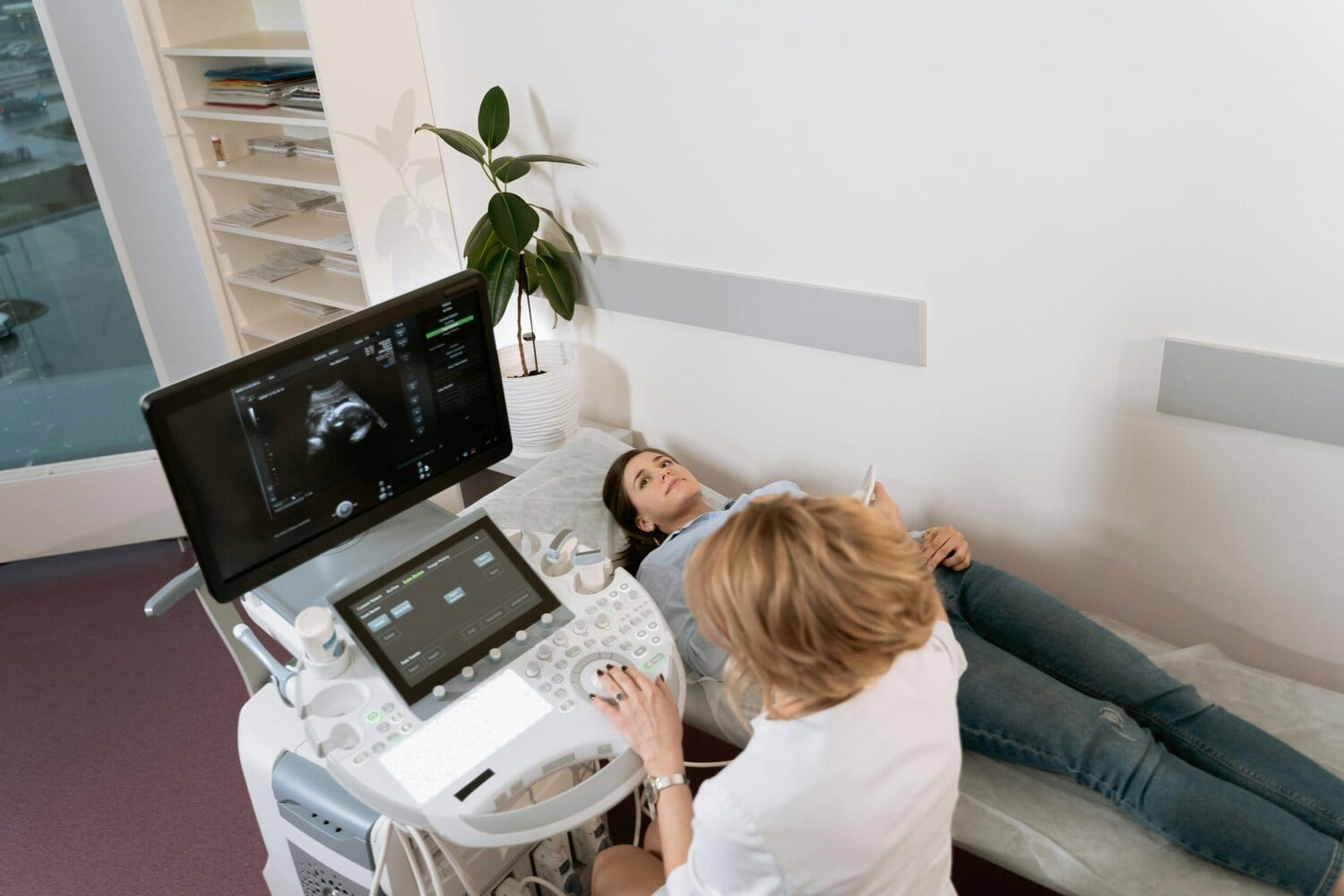
What Happens During an Obstetrics Physical Exam?
A routine medical check up with your gynaecologist is one of the most valuable steps you can take for your reproductive health. Yet many women feel uncertain about what to expect. Understanding the process can help ease any anxiety and ensure you get the most from your appointment.
This guide explains what happens during a gyno exam, how to prepare, and why these visits matter for your long-term wellbeing.
Why Annual Gynaecological Exams Matter
Regular gynaecological visits allow your doctor to detect potential health concerns early, often before symptoms appear. Conditions such as cervical abnormalities, ovarian cysts, sexually transmitted infections (STIs), and hormonal imbalances are easier to manage when identified at an early stage.
If you have ever wondered “do I need to go to an obgyn every year?”, the answer depends on your age, health history, and risk factors. The Malaysian Ministry of Health recommends that sexually active women undergo Pap smear screening at least once every three years. Women with additional risk factors may benefit from more frequent visits.
An obstetrics physical examination goes beyond screening for disease. It is also an opportunity to discuss contraception, fertility, menstrual concerns, and menopause with a specialist who understands women’s health.
Components of an Obstetrics Physical Examination
So, what does a gynecologist do at an annual exam? The examination typically includes several components, each designed to assess different aspects of your reproductive and general health.
Medical History Review
Your appointment begins with a detailed discussion of your medical history. Your gynaecologist will ask about your menstrual cycle, any symptoms you have experienced, previous pregnancies, contraceptive use, and family history of conditions such as breast or ovarian cancer. Be open about your concerns. This conversation helps your doctor tailor the examination to your specific needs.
General Physical Assessment
Before focusing on reproductive health, your doctor may check your blood pressure, weight, and overall physical condition. These baseline measurements help identify risk factors for conditions such as gestational diabetes, hypertension, and cardiovascular disease.
Breast Examination
A clinical breast examination involves your doctor gently feeling both breasts and the surrounding tissue to check for lumps, changes in skin texture, or nipple discharge. This is an important component of early breast cancer detection. Your gynaecologist can also teach you how to perform a self-examination at home.
Pelvic Examination
The pelvic examination assesses your external genitalia, vagina, cervix, uterus, and ovaries. Your doctor will visually inspect the external area before using a speculum to view the vaginal walls and cervix. This allows them to check for abnormalities, signs of infection, or unusual discharge.
During the bimanual examination, your doctor will insert two gloved fingers into the vagina while pressing on your lower abdomen with the other hand. This helps assess the size, shape, and position of your uterus and ovaries, and can detect cysts, fibroids, or tenderness.
Pap Smear (Cervical Screening)
A Pap smear collects cells from your cervix to screen for precancerous or cancerous changes. The procedure takes only a few minutes and may cause mild discomfort, though it should not be painful. Results are typically available within one to two weeks.
In Malaysia, women can access subsidised Pap smear services through LPPKN (Lembaga Penduduk dan Pembangunan Keluarga Negara) clinics nationwide. These services are available to married women and are designed to encourage regular cervical screening as part of preventive healthcare.
Additional Tests
Depending on your age and health history, your gynaecologist may recommend additional tests as part of a comprehensive body check up package. These may include:
- STI screening (chlamydia, gonorrhoea, HIV, syphilis)
- HPV testing
- Pelvic ultrasound
- Blood tests for hormonal levels, thyroid function, or anaemia
- Bone density scans for women approaching menopause
Preparing for Your Appointment
Knowing the dos and don’ts before obgyn appointment can help ensure accurate results and a more comfortable experience.
What to Do Before Your Visit
- Schedule wisely. Book your appointment for a time when you are not menstruating, as blood can affect Pap smear results. Mid-cycle is often ideal.
- Track your menstrual cycle. Note the first day of your last period and any irregularities in cycle length or flow.
- Prepare your questions. Write down any symptoms, concerns, or topics you want to discuss so you do not forget during the appointment.
- Bring relevant records. If you are seeing a new gynaecologist, bring previous test results, medication lists, and details of past surgeries.
- Stay hydrated. If blood tests are likely, drinking water beforehand makes it easier to draw blood.
What to Avoid Before Your Visit
- Avoid sexual intercourse for 24–48 hours before a Pap smear. Semen and lubricants can interfere with cervical cell samples.
- Do not douche. Douching disrupts the natural vaginal flora and can mask infections or produce misleading results.
- Skip vaginal creams or medications for 48 hours prior. Unless prescribed, these products can affect test accuracy.
- Avoid scheduling during your period. While some examinations can still be performed, menstrual blood may interfere with certain tests.
Affordable Screening Options in Malaysia
Cost should not be a barrier to preventive care. Malaysia offers several subsidised and affordable screening programmes for women.
LPPKN Pap Smear Services
Lembaga Penduduk dan Pembangunan Keluarga Negara (LPPKN) provides cervical cancer screening, including Pap smear tests, at Nur Sejahtera clinics nationwide. The Pap smear is a screening method for detecting pre-cancerous and cancerous conditions by collecting a small cell sample from the cervix. These services are part of the government’s effort to reduce cervical cancer rates through early detection.
Private Health Screening Packages
For those seeking a more comprehensive assessment, private clinics offer tailored health screening package malaysia options. These typically combine gynaecological examinations with broader health assessments, including blood panels, imaging, and specialist consultations.
If you are looking for a full body check up in Kuala Lumpur or a health screening in KL, consider what is included in each package and whether it addresses your specific health priorities.
What to Expect After Your Examination
After your appointment, your gynaecologist will discuss any immediate findings with you. If tests were performed, you will receive results within the timeframe specified by your clinic. Normal results typically require no further action until your next scheduled screening.
If any abnormalities are detected, your doctor will explain the next steps. This may involve additional testing, a follow-up appointment, or referral to a specialist. Early detection through regular screening means that most conditions can be managed effectively when caught early.
Whether you are due for a routine screening or have specific concerns you would like to discuss, our team at SpringHill Clinic is here to guide you. Book an appointment today.
References
- Malaysia Government Portal. Ujian Pap Smear di LPPKN. https://www.malaysia.gov.my
- Lembaga Penduduk dan Pembangunan Keluarga Negara (LPPKN). Reproductive Health Services. https://www.lppkn.gov.my
FAQ
Most women benefit from an annual visit to discuss reproductive health, even if a Pap smear is only needed every three years. Your gynaecologist can advise on the appropriate frequency based on your individual health profile.
A pelvic examination should not be painful, though you may feel some pressure or mild discomfort. Communicating with your doctor and staying relaxed can help. If you experience pain, let your doctor know immediately.
Yes. Gynaecological examinations are a normal part of antenatal care. Your obstetrician will perform regular assessments to monitor your health and your baby’s development throughout pregnancy.
Feeling nervous is completely normal. Remember that gynaecologists are trained professionals who perform these examinations daily. You are welcome to bring a support person, request a female doctor, or ask for a chaperone if it helps you feel more comfortable.
No. There is no medical reason to remove pubic hair before a gynaecological examination. Your comfort is what matters most.