Top Reasons Why You’re Not Conceiving
Trying to conceive without success can be emotionally exhausting. Each month that passes without a positive result brings more questions than answers. If you have been asking yourself why you cannot get pregnant despite your best efforts, you are not alone. According to the World Health Organization, approximately 1 in 6 people worldwide experience infertility at some point in their lifetime, and Malaysia is no exception.
The truth is that conception depends on many factors working together at precisely the right time. Understanding the potential reasons for not conceiving is the first step towards finding solutions. This guide explores the most common causes of difficulty conceiving in both women and men, and explains when professional support may help.
How Conception Works
Before exploring what might be going wrong, it helps to understand what needs to go right. Conception requires a specific sequence of events: the ovaries must release a healthy egg, the fallopian tubes must be open for the egg and sperm to meet, the sperm must be healthy enough to reach and fertilise the egg, and the fertilised embryo must successfully implant in the uterine lining.
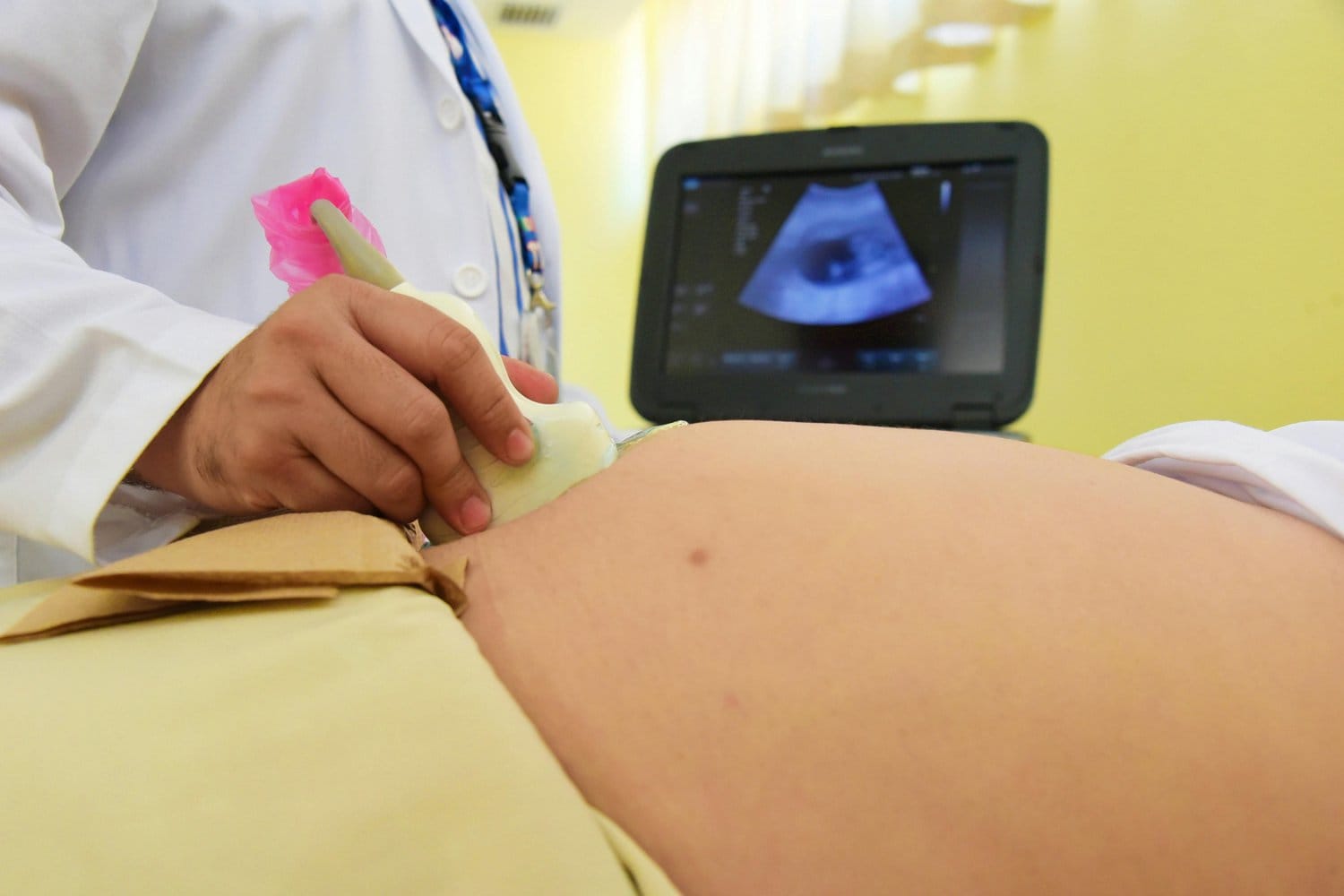
A problem at any stage can prevent pregnancy. Some issues are straightforward to identify and treat, while others require more detailed investigation through an obstetrics physical examination and diagnostic testing.
Female Factors Affecting Fertility
Female factors account for approximately 40% of infertility cases. The reasons why you can’t conceive may relate to ovulation, the reproductive organs, or hormonal balance.
Ovulation Disorders
Ovulation disorders are the most common cause of female infertility. If your body does not release an egg regularly, conception cannot occur. Signs of ovulation problems include irregular periods, cycles longer than 35 days or shorter than 21 days, or absent periods altogether.
Polycystic ovary syndrome (PCOS) is one of the leading causes of ovulation dysfunction. According to the World Health Organization, PCOS affects between 6–13% of women of reproductive age globally. Women with PCOS often have irregular cycles, elevated male hormones, and multiple small follicles visible on ultrasound. The hormonal imbalance prevents eggs from maturing and releasing properly.
Other conditions affecting ovulation include thyroid disorders, elevated prolactin levels, premature ovarian insufficiency, and hypothalamic dysfunction related to extreme weight changes or excessive exercise.
Fallopian Tube Problems
The fallopian tubes are where fertilisation takes place. If these tubes are blocked or damaged, sperm cannot reach the egg, or a fertilised embryo cannot travel to the uterus.
Common causes of tubal damage include pelvic inflammatory disease (often resulting from untreated sexually transmitted infections such as chlamydia or gonorrhoea), endometriosis, previous abdominal or pelvic surgery, and complications from a previous ectopic pregnancy.
Tubal problems often cause no symptoms. Many women only discover they have blocked tubes when they undergo fertility investigations. Tests such as hysterosalpingography (HSG) or laparoscopy can assess whether the tubes are open and functioning.
Endometriosis
Endometriosis occurs when tissue similar to the uterine lining grows outside the uterus, commonly on the ovaries, fallopian tubes, and pelvic lining.
This condition can affect fertility in several ways: it may block the fallopian tubes, cause inflammation that damages eggs or sperm, create adhesions that distort pelvic anatomy, or affect the quality of the uterine lining. Symptoms include severe period pain, pain during intercourse, heavy bleeding, and chronic pelvic discomfort. However, some women have no symptoms.
Uterine Abnormalities
The uterus must provide a suitable environment for embryo implantation and pregnancy development. Conditions affecting the uterus can interfere with conception or increase the risk of miscarriage.
Uterine fibroids are benign growths that may distort the uterine cavity or block the fallopian tubes, depending on their size and location. Polyps are smaller growths on the uterine lining that can prevent implantation. Structural abnormalities present from birth, such as a septate uterus, may also affect fertility.
Age-Related Decline
Female fertility naturally declines with age, particularly after 35. Women are born with all the eggs they will ever have, and both the quantity and quality of eggs decrease over time. By age 40, the chance of conceiving naturally each month drops significantly, and the risk of miscarriage and chromosomal abnormalities increases.
Male Factors Affecting Fertility
Male factors contribute to approximately 40% of infertility cases. When investigating reasons for not conceiving, both partners should be assessed.
Sperm Quality Issues
Healthy sperm must be present in sufficient numbers, move effectively, and have normal shape to successfully fertilise an egg. Problems with any of these parameters can reduce fertility.
| Sperm Parameter | Normal Range (WHO 2021) | What Abnormal Results May Indicate |
| Sperm count | ≥15 million per mL | Low count reduces chances of fertilisation |
| Motility (movement) | ≥40% total motility | Poor movement prevents sperm reaching the egg |
| Morphology (shape) | ≥4% normal forms | Abnormal shape may affect fertilisation ability |
| Volume | ≥1.4 mL | Low volume may indicate blockage or hormonal issues |
Source: WHO Laboratory Manual for the Examination and Processing of Human Semen (6th ed., 2021)
Causes of Male Infertility
Several factors can affect sperm production or function:
- Varicocele: Enlarged veins in the scrotum that can raise testicular temperature and affect sperm production. This is one of the most common correctable causes of male infertility.
- Hormonal imbalances: Low testosterone or problems with the pituitary gland can impair sperm production.
- Infections: Some infections can affect sperm production or cause scarring that blocks sperm transport.
- Genetic factors: Chromosomal abnormalities or genetic conditions can affect fertility.
- Lifestyle factors: Smoking, excessive alcohol consumption, obesity, and exposure to environmental toxins can all reduce sperm quality.
- Heat exposure: Frequent use of saunas, hot tubs, or tight underwear may temporarily reduce sperm production.
A semen analysis is the primary test for male fertility. If abnormalities are found, further investigation with hormonal testing or scrotal ultrasound may be recommended.
Combined and Unexplained Factors
In approximately 10% of cases, both partners have contributing factors. Another 10% of couples receive a diagnosis of unexplained infertility, meaning standard tests reveal no identifiable cause. This does not mean there is no problem, simply that current testing cannot identify it.
Couples with unexplained infertility may still conceive naturally or with assisted reproductive treatments. A fertility doctor can discuss your options based on age, duration of infertility, and personal preferences.
Lifestyle and Environmental Factors
Beyond medical conditions, certain lifestyle factors can affect fertility in both partners.
Weight
Both underweight and overweight statuses can affect fertility. In women, being significantly underweight can disrupt ovulation entirely, while obesity is associated with PCOS, hormonal imbalances, and reduced response to fertility treatments. In men, obesity can lower testosterone levels and affect sperm quality.
Smoking and Alcohol
Smoking damages eggs and sperm, accelerates the decline in ovarian reserve, and reduces the success rates of fertility treatments. Excessive alcohol consumption is also associated with reduced fertility in both sexes.
Stress
While stress alone is unlikely to cause infertility, chronic stress can affect hormonal balance and may interfere with ovulation. The emotional burden of trying to conceive can create a difficult cycle that affects overall well-being.
When to Seek Help
Guidelines from the Malaysian Ministry of Health and international bodies recommend seeking fertility evaluation if:
- You are under 35 and have not conceived after 12 months of regular, unprotected intercourse
- You are 35 or older and have not conceived after 6 months
- You have irregular or absent periods
- You have a known condition that may affect fertility, such as PCOS, endometriosis, or previous pelvic infections
- Your partner has known fertility issues or has had previous testicular problems
Visiting a women’s specialist clinic in KL allows both partners to be assessed together. Early evaluation can save time and provide clarity, even if the results show that patience and continued trying are the best approach.
Our experienced team at SpringHill Clinic provides compassionate fertility assessments and gynecology care in Malaysia in a private, comfortable environment. Whether you need diagnostic testing or guidance on your options, we are here to support you. Book an appointment today.
References
- World Health Organization. (2023). Infertility. WHO Fact Sheet. https://www.who.int/news-room/fact-sheets/detail/infertility
- World Health Organization. (2021). WHO laboratory manual for the examination and processing of human semen (6th ed.). WHO. https://www.who.int/publications/i/item/9789240030787
- National Institute for Health and Care Excellence. (2013, updated 2017). Fertility problems: assessment and treatment. NICE Clinical Guideline CG156. https://www.nice.org.uk/guidance/cg156
DISCLAIMER: This content is provided by SpringHill Clinic for educational purposes only. It should not be regarded as medical, legal, or professional advice. This information should not be used for diagnosing any medical condition, nor should it be relied upon for the treatment, prevention, or cure of any disease. For personalised advice and tailored recommendations, please consult a licensed healthcare provider. Information presented may be subject to change as medical guidelines and research evolve.
FAQ
If you are under 35, seek evaluation after 12 months of trying. If you are 35 or older, consult a specialist after 6 months. If you have known risk factors such as irregular periods, PCOS, endometriosis, or previous pelvic infections, earlier consultation is advisable.
Yes. Achieving a healthy weight, stopping smoking, reducing alcohol intake, and managing stress can all improve fertility outcomes. For women with PCOS, even a 5% reduction in body weight can help restore ovulation.
No. Male factors contribute to approximately 40% of infertility cases, female factors account for another 40%, combined factors represent about 10%, and 10% remain unexplained. Both partners should be evaluated together.
Ovulation disorders are the most common cause. Conditions such as PCOS, thyroid dysfunction, and hormonal imbalances can prevent regular egg release. Irregular or absent periods are often the first sign of ovulation problems.
Yes. Malaysia has numerous fertility centres offering treatments ranging from ovulation induction and intrauterine insemination (IUI) to in vitro fertilisation (IVF).