
5 Best Food for Pregnancy Backed by Science
Key Highlights
A varied, nutrient-dense diet supports both mother and baby through every trimester, with no need to literally eat for two. This guide outlines five evidence-based food groups that supply the folate, iron, calcium, omega-3 and protein that pregnancy demands. It also explains how good food works alongside, not instead of, the iron and folic acid supplements provided through Malaysian antenatal care.
Eating well during pregnancy is one of the simplest and most powerful ways to support a growing baby. Yet the advice can feel overwhelming, with long lists of what to eat, what to limit, and what to avoid. The good news is that choosing the right food for pregnancy does not need to be complicated. A few well-chosen food groups cover most of what the body needs. This article walks through five science-backed choices and explains how everyday meals deliver the key vitamins that your pregnancy requires.
Why Nutrition Matters During Pregnancy
Pregnancy increases the body’s need for several nutrients, particularly folate, iron, calcium, iodine and protein. According to the World Health Organization, the basic principle of healthy eating stays the same: plenty of vegetables, fruit, whole grains, lean protein and healthy fats. The old idea of eating for two has been replaced by a focus on quality rather than quantity.
Good nutrition is not only about the baby. It also protects the mother. Anaemia remains a common concern in Malaysia, where around one in three women of reproductive age is affected, often linked to low iron intake. Choosing the best food for pregnant women helps reduce that risk while supporting healthy foetal growth. For women planning ahead, a pre-pregnancy review at a women’s health clinic should always be your first step.
Leafy Greens and Folate-Rich Vegetables
Folate, the natural form of folic acid, helps prevent neural tube defects of the baby’s brain and spine. The Malaysian Ministry of Health advises taking folic acid at least three months before conception and through early pregnancy. Food alone rarely supplies enough, which is why supplements are recommended. Even so, folate-rich vegetables remain important because they also provide fibre, vitamin A and antioxidants. Some options you can try include:
- Spinach, kangkung and other dark leafy greens like kale and Asian vegetables like sawi and bayam
- Broccoli and brussels sprouts
- Legumes such as chickpeas and lentils
- Citrus fruit and fortified breakfast cereals
Iron-Rich Foods for Pregnant Women
Iron supports the extra blood volume needed during pregnancy and carries oxygen to the baby. Demand rises sharply, and many women struggle to meet it through diet alone, which is why supplementation is often recommended.
Iron from animal sources, known as haem iron, is absorbed more easily than the non-haem iron found in plants. Pairing plant-based iron with a source of vitamin C, such as oranges or capsicum, helps the body take in more. Good choices include:
- Lean red meat, chicken and liver in moderation
- Eggs and oily fish
- Beans, lentils and tofu
- Dark leafy greens and iron-fortified cereals
Dairy and Calcium Sources
Calcium builds the baby’s bones and teeth and helps protect the mother’s own bone density. Dairy products such as milk, yoghurt and cheese are the most concentrated sources, and they also supply protein and, in some cases, added vitamin D, which aids calcium absorption.
Women who do not consume dairy can still meet their needs. Calcium-set tofu, fortified plant milks, leafy greens, and small fish eaten with the bones, such as ikan bilis, all contribute. A varied approach makes it easier to reach the recommended intake without relying on a single food.
Low-Mercury Fish for Omega-3
Oily fish provides omega-3 fatty acids, especially DHA, which supports the baby’s brain and eye development. Salmon, sardines, trout and anchovies are good sources and are low in mercury, making them suitable choices during pregnancy.
Some fish should be limited because higher mercury levels can affect a baby’s developing nervous system. Larger predatory fish such as shark and swordfish fall into this group. Choosing smaller, low-mercury fish two to three times a week is a practical way to gain the benefits while keeping intake safe. Women who do not eat fish can speak to their care team about whether a DHA supplement is appropriate.
Eggs, Legumes and Lean Protein
Protein needs increase during pregnancy to support the growth of the baby, the placenta and maternal tissue. Eggs are a particularly useful food for pregnant women because they contain choline, a nutrient linked to healthy brain development, alongside good-quality protein.
Legumes such as lentils, chickpeas and beans are valuable plant-based options. They combine protein with fibre, iron and folate, which makes them helpful for vegetarian diets and for easing the constipation that often accompanies pregnancy. Lean meat, poultry, fish and tofu round out a balanced set of protein sources.
Building meals around these five food groups gives a strong nutritional foundation, but every pregnancy is different. If you would like tailored guidance, our women’s health team at SpringHill Clinic offers evidence-based support. We offer all the health services you may need, from obstetrics physical examination to tailored advice on diet and KKM-approved supplements based on your lifestyle and health requirements. Caring for yourself well is one of the kindest things you can do for your baby. Book an appointment today.
Summary of the Best Food for Pregnancy
| Food group | Key nutrients | Examples |
| Leafy greens and folate-rich vegetables | Folate, fibre, vitamin A, antioxidants | Spinach, kangkung, broccoli, brussels sprouts, citrus fruit |
| Iron-rich foods | Iron (haem and non-haem) | Lean red meat, chicken, eggs, beans, lentils, tofu, fortified cereals |
| Dairy and calcium sources | Calcium, protein, vitamin D | Milk, yoghurt, cheese, calcium-set tofu, fortified plant milks, ikan bilis |
| Low-mercury fish | Omega-3 fatty acids (DHA), protein | Salmon, sardines, trout, anchovies |
| Eggs, legumes and lean protein | Protein, choline, fibre, iron, folate | Eggs, lentils, chickpeas, beans, lean meat, poultry, tofu |
Table: Best Food for Pregnancy
Disclaimer: This article is intended for general information only. It is not a substitute for a medical diagnosis or professional advice. Please consult your healthcare provider before making changes to your diet.
References:
- Maternal Dietary Guidelines for Malaysia. (2023). Ministry of Health Malaysia. Retrieved 21 May 2026, from https://hq.moh.gov.my/nutrition/wp-content/uploads/2024/08/01.Buku-MDGM-web_02.08.2024.pdf
- The Prevalence and Risk Factors of Iron Deficiency Anemia Among Pregnant Women in Malaysia: A Systematic Review. (2022). Frontiers in Nutrition. Retrieved 21 May 2026, from https://www.frontiersin.org/journals/nutrition/articles/10.3389/fnut.2022.847693/full
- Maternal and Women’s Health. (n.d.). Government of Malaysia Official Portal. Retrieved 21 May 2026, from https://www.malaysia.gov.my/en/categories/health/maternal-and-womens-health
- Nutrition During Pregnancy. (n.d.). The American College of Obstetricians and Gynecologists. Retrieved 21 May 2026, from https://www.acog.org/womens-health/faqs/nutrition-during-pregnancy
Frequently Asked Questions About Food for Pregnancy
1) What is the best food for pregnancy in the first trimester?
There is no single best food. Aim for variety across leafy greens, iron-rich proteins, dairy, low-mercury fish and legumes. If nausea makes eating difficult, plain starches like rice and crackers are fine until appetite returns.
2) Which iron-rich food for pregnancy is easiest to absorb?
Iron from animal sources such as lean red meat, chicken and fish is absorbed more easily than plant-based iron. Pairing plant sources like beans and leafy greens with vitamin C helps improve absorption.
3) Do I still need supplements if I eat a healthy diet?
Usually yes. Folic acid and iron are difficult to obtain in sufficient amounts from food alone, so supplements are recommended in addition to a balanced diet. Your care team can advise on what is right for you.
4) Are there foods pregnant women should avoid?
Yes. Limit high-mercury fish, raw or undercooked seafood, eggs and meat, unpasteurised dairy, and excess caffeine. A women’s health clinic can give guidance tailored to your pregnancy.
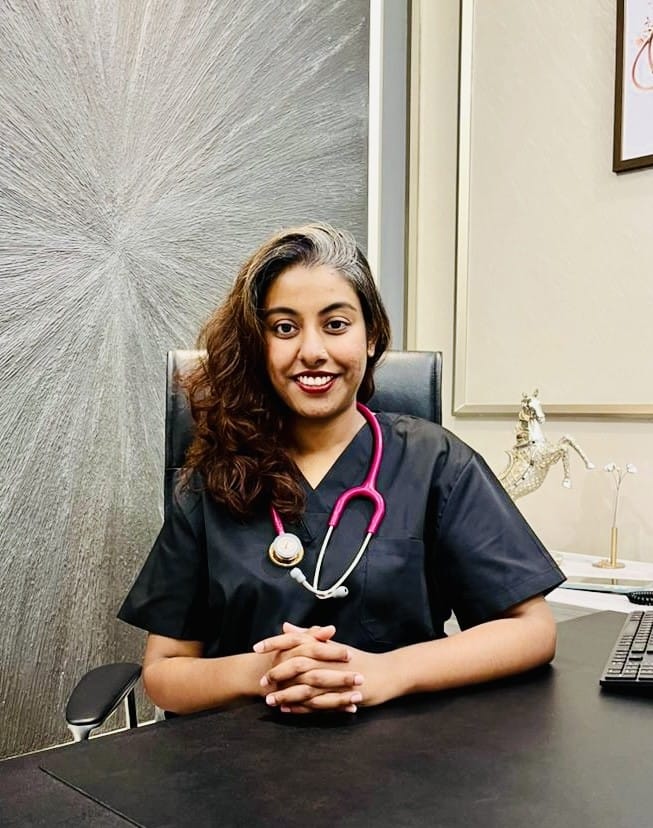
Dr Jasorthini is an experienced obstetrics & gynecology medical officer dedicated to delivering patient‑centred, evidence‑based care to women at every life stage. She brings a unique combination of clinical expertise and empathy, focused on helping every patient intently.